

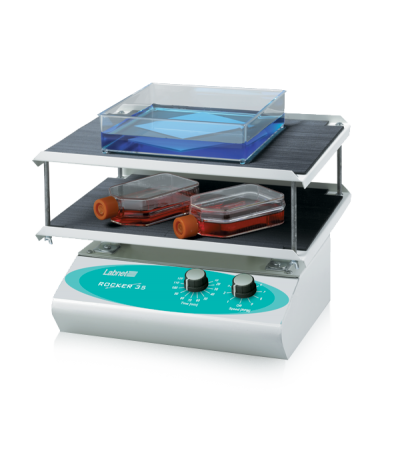
From pharmaceuticals to cosmetics, agitation equipment can be used for a wide variety of applications. There are a variety of different agitator options available with varying levels of speed, capacity, and more. With so many options, you might have a hard time determining which Labnet International agitator is best for you. It's helpful to find out more about the basic functions and uses of different kinds of agitators to ensure that you make the right selection for your lab.
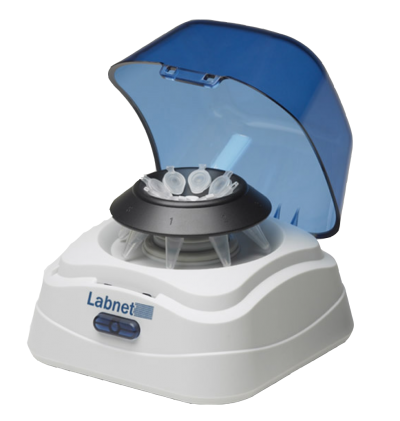
Now available February 15 - April 30, 2017
It can be hard to get excited about things during the long winter months - that is, unless you're taking advantage of special pricing on some of Labnet's most exciting new products with our Winter Lab Values savings!
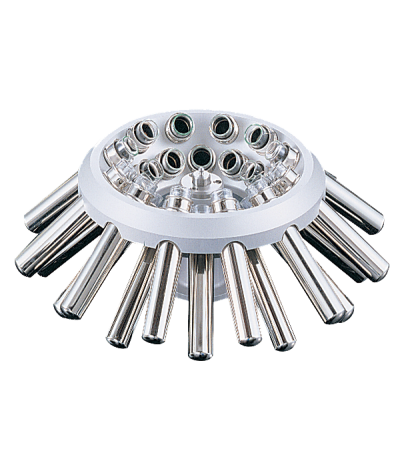
When a centrifuge works well, it serves a vitally important role within a laboratory. Unfortunately, even the highest-quality centrifuge can deliver sub-optimal results if it is not suited for your application. It is important to consider centrifuge components and features before you buy so that you can get a piece of equipment that is right for your specific needs. When it comes to centrifuge rotors, there are a couple basic types that you will need to choose between-- swing out and fixed angle.
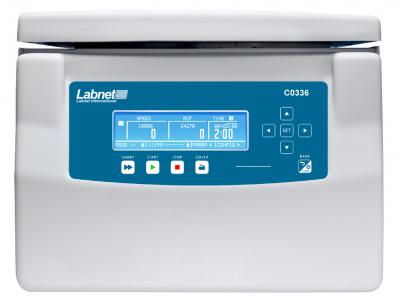
From research to medical applications, labs across the country utilize centrifugal technology. Centrifuges can be used for applications ranging from the spin-down of blood samples to cell disruption. Because of the crucial role they play within labs, the reliability and performance of a centrifuge is crucial. Investing in a centrifuge for your lab or replacing an outdated model can increase productivity, promote ease-of-use, and minimize time spent on maintenance.
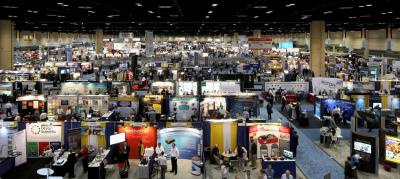
DON'T MISS THE BIGGEST LABORATORY SCIENCE EVENT OF THE YEAR!
The annual Pittcon Conference and Expo event is one of the most exciting events of the entire year for laboratory professionals around the world, featuring four days of exhibitors, exciting speakers, and more!
This year, Pittcon 2018 will take place February 26 - March 1, 2018 at the Orange County Convention Center in Orlando, Florida.

In the short 15 years since the complete sequencing of the human genome in 2003, great strides have been made in establishing correlation and causation in the relationship between our genes and our health. It took over a Billion dollars and 13 years to sequence the human genome for the first time. In the early days, it still cost tens of millions and took months to have an individual’s genes sequenced. Here we are in 2018, and we are exchanging gifts of DNA mapping kits to discover medical information and ethnic heritage.

Over the last few years, technological advancements and procedural developments have revolutionized the way that laboratory testing and analytics are performed. Incorporating the latest and greatest technologies and implementing best practices, laboratories, testing and research facilities have managed to increase productivity, precision and innovation. And as the year 2017 draws to a close, it's a good time to reflect on the strides that were made in the industry.
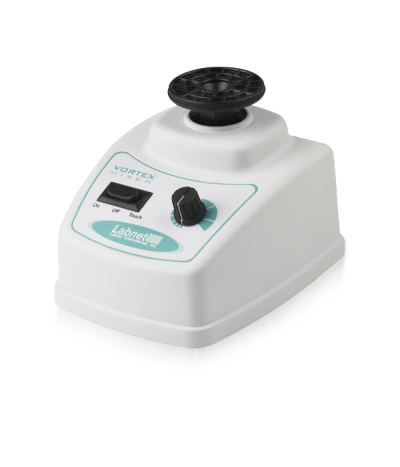
Along with our laboratory shakers, rockers and rotators, Labnet International has your requirements for Vortex mixing covered.
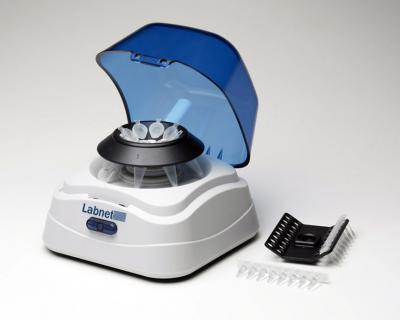
Looking for Greater Capacity in a Compact Package?
Sounds like you're ready to meet the newest member of Labnet's centrifuge family - the new Labnet mini centrifuge!
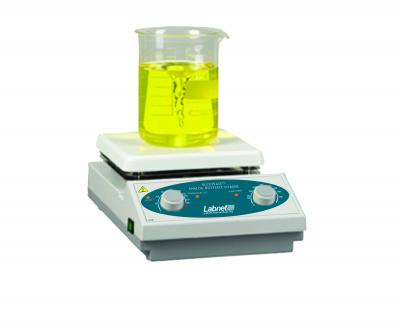
The First Magnetic Stirrer
The first magnetic stirrer was patented by Richard Stringham of Utah in 1917. The inventor nicknamed the stir bar a “Flea” because of the way it jumped and spun in the flask. Even after a Century of technological advancement, today’s lab stirrers still resemble the original design. An electrical field under the base plate oscillates causing the magnetic stir bar to spin.
The stirrer quickly evolved once it hit the market. Integration with a hotplate was a bold step towards laboratory automation.
- ‹ previous
- 6 of 17
- next ›